
In today’s competitive business environment, efficiency and visibility are critical for success. Companies that rely on transportation—whether for deliveries, services, or logistics—need accurate, real-time information to operate effectively. This is where real-time vehicle tracking becomes essential.
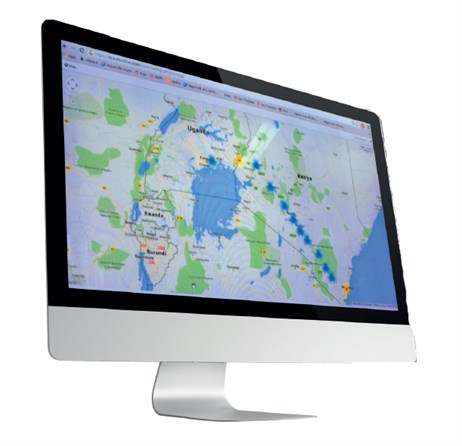
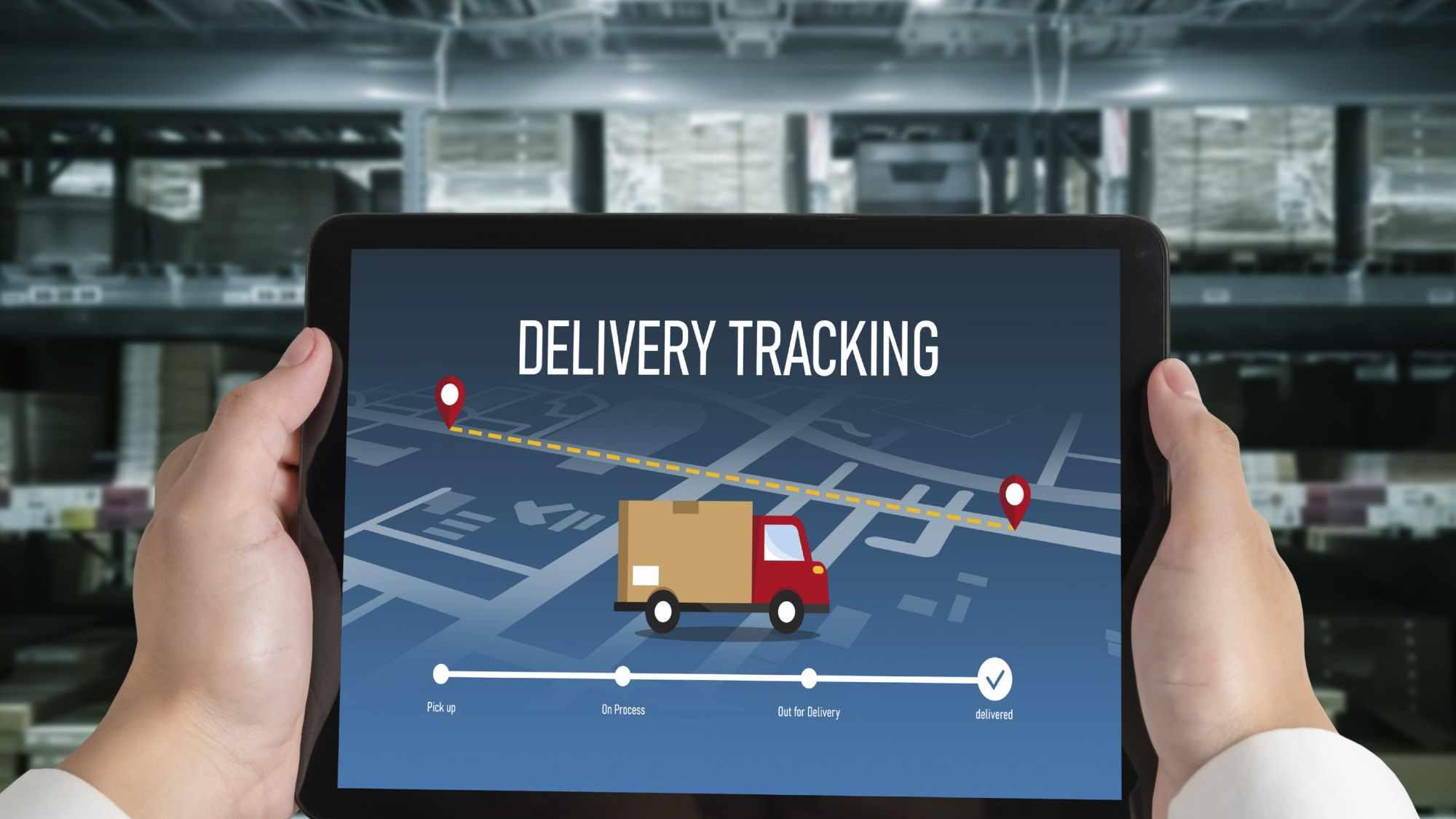
Real-time tracking systems use GPS technology to provide continuous updates on vehicle location, speed, and movement. This allows businesses to monitor their fleet at any moment and respond quickly to changing conditions. For example, if a vehicle is delayed due to traffic or unexpected issues, managers can immediately adjust schedules or inform customers.
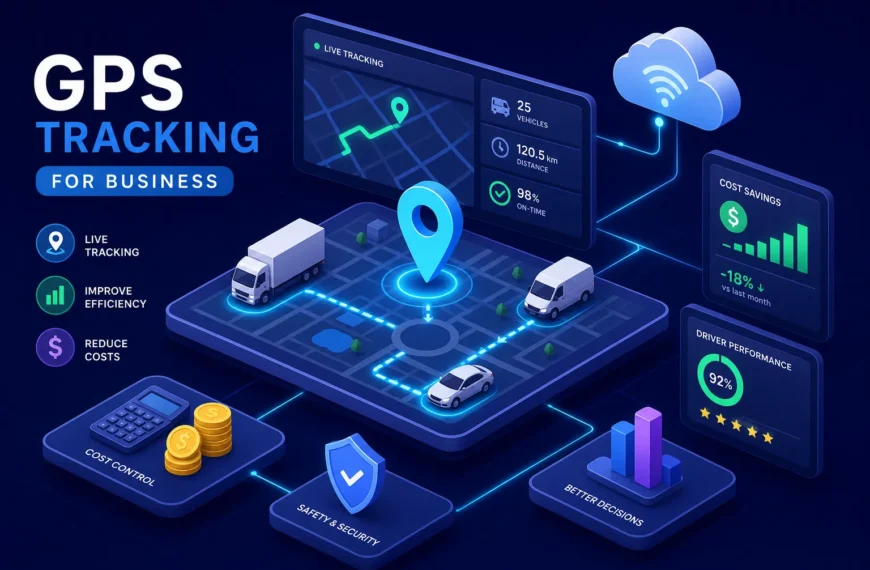
One of the biggest advantages of real-time tracking is improved operational efficiency. Businesses can optimize routes, reduce unnecessary mileage, and ensure that vehicles are being used effectively. This leads to lower fuel costs and faster delivery times.
Customer satisfaction is another major benefit. With real-time tracking, businesses can provide accurate delivery estimates and keep customers informed throughout the process. This level of transparency builds trust and improves the overall customer experience.
Additionally, real-time tracking enhances security. In case of theft or unauthorized use, businesses can quickly locate vehicles and take action. This reduces risk and protects valuable assets.
As technology continues to evolve, real-time tracking is becoming a standard requirement rather than a luxury. Businesses that adopt these systems gain a clear competitive advantage by improving efficiency, reducing costs, and delivering better service.
 By
By