
Cargo theft remains a major challenge for logistics and transport businesses across East Africa. With goods moving across long distances and multiple borders, risks such as diversion, tampering, and unauthorized stops are increasingly common. For companies dealing with high-value cargo, even a single incident can result in significant financial losses and reputational damage.
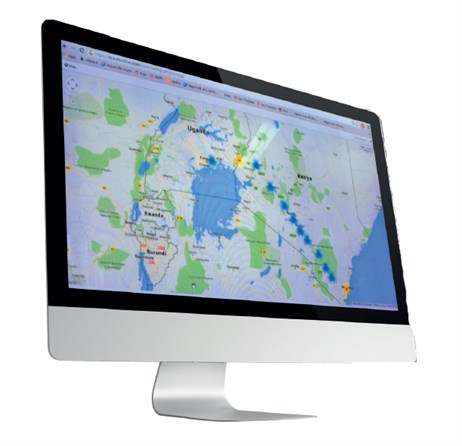
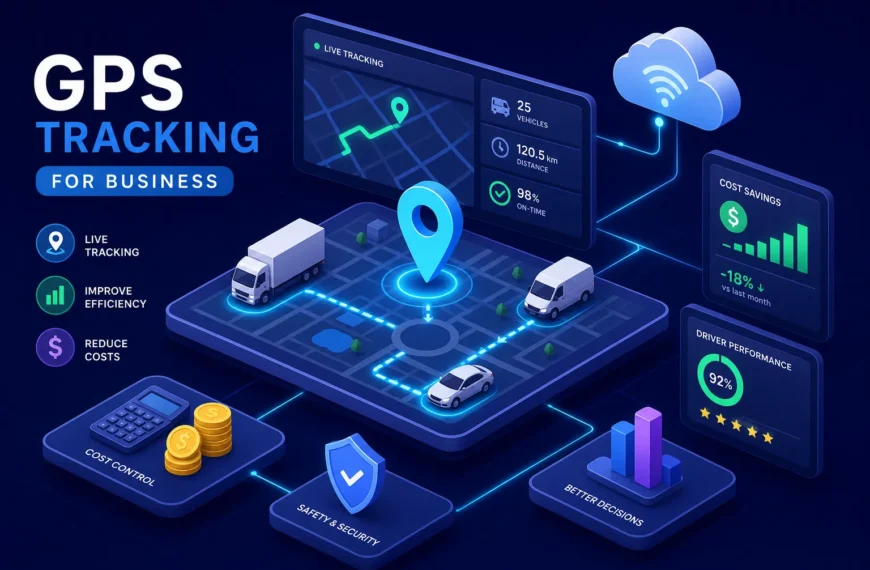
GPS tracking technology has emerged as one of the most effective solutions to combat cargo theft. By providing real-time visibility into shipment movement, businesses can monitor their goods from dispatch to final delivery. This continuous tracking ensures that any unusual activity, such as route deviation or unscheduled stops, is immediately detected and addressed.
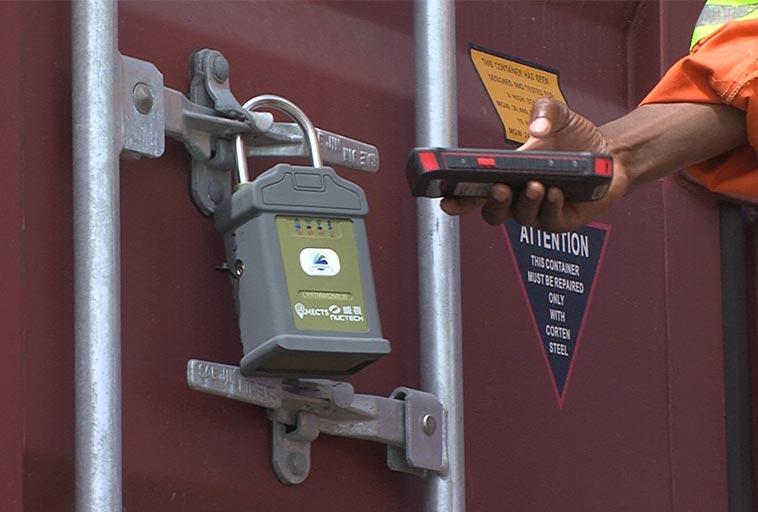
One of the most powerful features of GPS tracking is geofencing. Businesses can define approved routes and receive instant alerts if a vehicle leaves the designated area. This allows for quick intervention before a potential theft occurs. Additionally, advanced tracking systems can integrate with cargo seals and sensors, providing alerts if containers are opened without authorization.
Another advantage is improved accountability. Drivers, transport partners, and logistics teams are more likely to follow proper procedures when they know shipments are being monitored in real time. This reduces internal risks and increases overall operational discipline.
As trade continues to grow across Tanzania and the wider East African region, investing in reliable cargo tracking systems is no longer optional. Businesses that adopt GPS tracking not only enhance security but also build trust with their clients by ensuring safe and transparent delivery processes.
 By
By