
The logistics industry is undergoing a major transformation, driven by the adoption of the Internet of Things (IoT). This technology is enabling businesses to track assets more accurately and make smarter decisions based on real-time data.
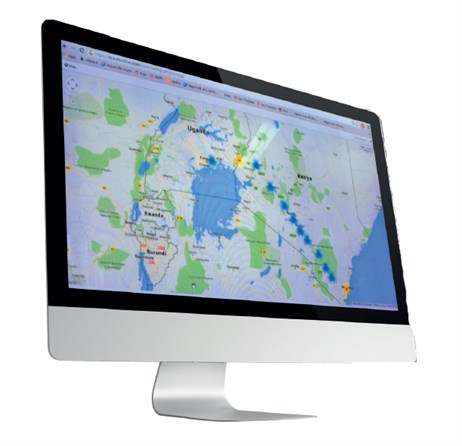
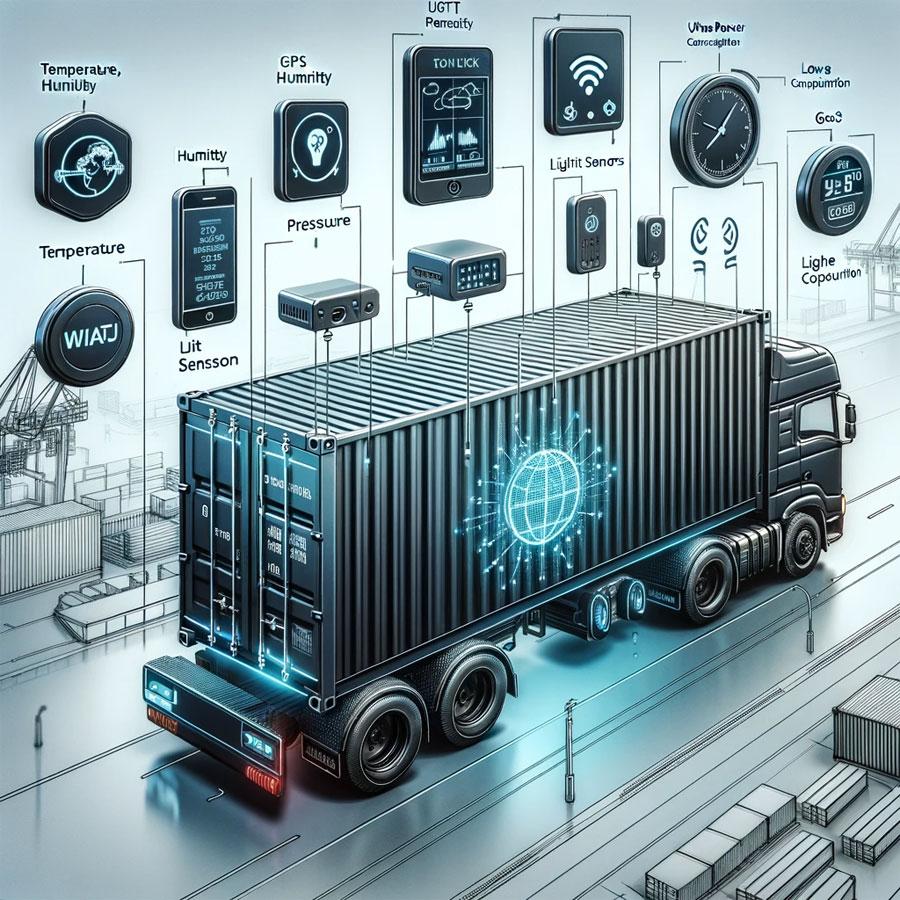
IoT devices are equipped with sensors that collect and transmit information about location, temperature, movement, and other conditions. When integrated with GPS tracking systems, these devices provide a comprehensive view of the entire supply chain.
One of the main advantages of IoT in logistics is improved visibility. Businesses can monitor assets in real time, ensuring that goods are moving as planned and are stored under the right conditions. This is especially important for sensitive cargo such as pharmaceuticals or perishable goods.
IoT also supports predictive maintenance. By analyzing data from vehicles and equipment, businesses can identify potential issues before they lead to breakdowns. This reduces downtime and maintenance costs.
Another benefit is enhanced security. IoT sensors can detect unauthorized access or unusual activity, allowing businesses to respond quickly and prevent losses.
As the logistics industry becomes more data-driven, IoT is playing a key role in shaping the future. Companies that adopt these technologies will be better positioned to improve efficiency, reduce costs, and stay competitive in a rapidly evolving market.

 By
By