
Fuel is one of the largest operational expenses for fleet-based businesses in Tanzania. Rising fuel prices, combined with inefficient driving habits and poor route planning, can significantly increase costs and reduce profitability. Without proper monitoring systems, many companies struggle to identify where these losses occur.
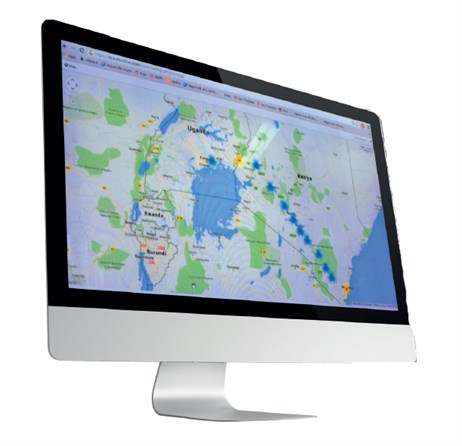
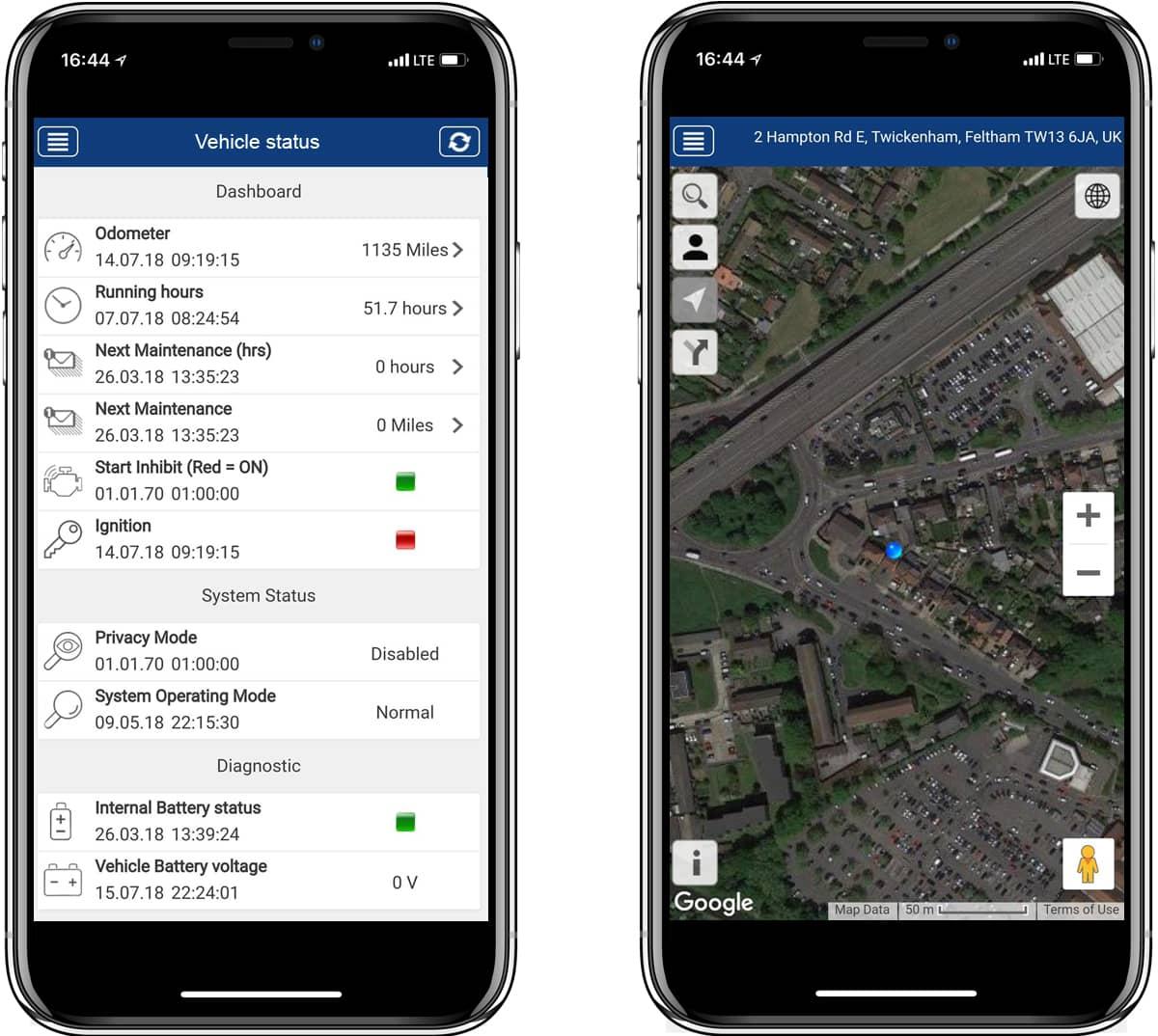
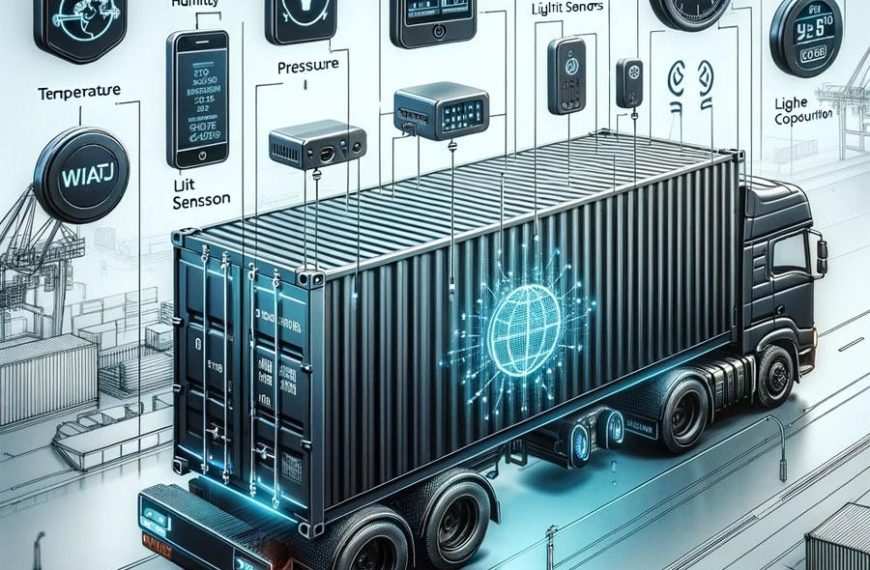
Telematics technology offers a powerful solution by combining GPS tracking with vehicle diagnostics and fuel monitoring. These systems provide detailed insights into how vehicles are being used, allowing businesses to make data-driven decisions to improve efficiency.
One of the main benefits of telematics is its ability to monitor fuel consumption in real time. Fleet managers can track how much fuel each vehicle is using and identify irregular patterns that may indicate wastage or misuse. For example, excessive idling, harsh acceleration, and speeding all contribute to higher fuel consumption—and telematics systems can flag these behaviors instantly.
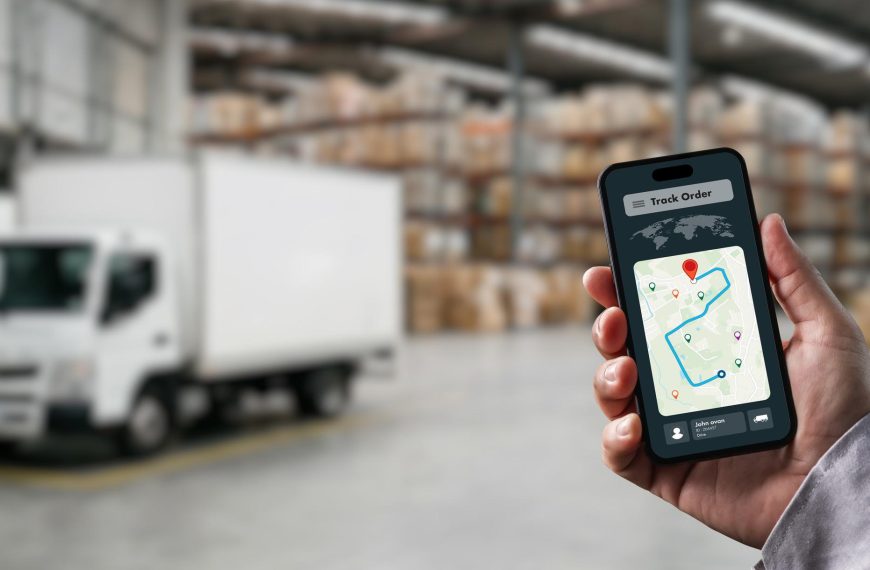
Route optimization is another key advantage. By analyzing traffic patterns and delivery schedules, telematics systems can recommend the most efficient routes, reducing unnecessary mileage and fuel usage. This not only cuts costs but also improves delivery timelines.
In addition, telematics helps improve driver accountability. Drivers are more likely to follow best practices when their performance is being monitored. Over time, this leads to safer driving habits and reduced operational risks.
For businesses operating fleets in Tanzania, adopting telematics is a smart investment. It not only reduces fuel expenses but also enhances overall fleet performance, ensuring long-term cost savings and improved service delivery.
 By
By