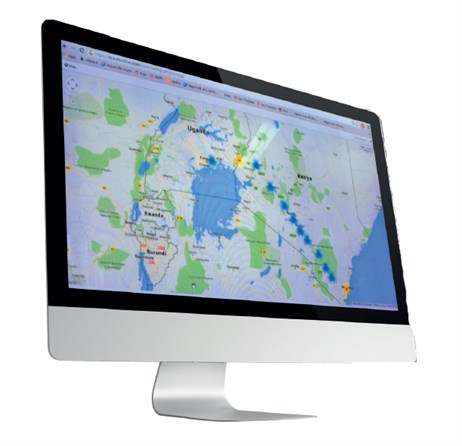


Cross-border trade plays a vital role in the economic growth of East Africa. However, managing the movement of goods across borders presents significant challenges, including delays, cargo diversion, and compliance issues. The Electronic Cargo Tracking System (ECTS) has become a critical solution for addressing these challenges.
ECTS uses GPS-enabled devices to track cargo in transit, ensuring that goods follow approved routes and reach their intended destinations. This system is widely used across East African countries to improve transparency and reduce revenue losses caused by illegal diversion.
One of the key benefits of ECTS is enhanced compliance. By monitoring cargo movement in real time, authorities can ensure that goods adhere to customs regulations. This reduces the risk of smuggling and improves overall trade integrity.
ECTS also helps reduce delays at border points. Since cargo is tracked electronically, customs officials can process shipments more efficiently, leading to faster clearance times. This is particularly important for businesses dealing with time-sensitive goods.
For logistics companies, ECTS provides greater visibility and control. They can monitor shipments throughout the journey and respond quickly to any disruptions. This improves reliability and strengthens customer confidence.
As regional trade continues to expand, the importance of systems like ECTS will only grow. Businesses that integrate these solutions into their operations will benefit from improved efficiency, reduced risks, and stronger compliance with regulatory requirements.

 By
By